



Your dental practice earned the revenue. You provided excellent care. But the money never arrives.
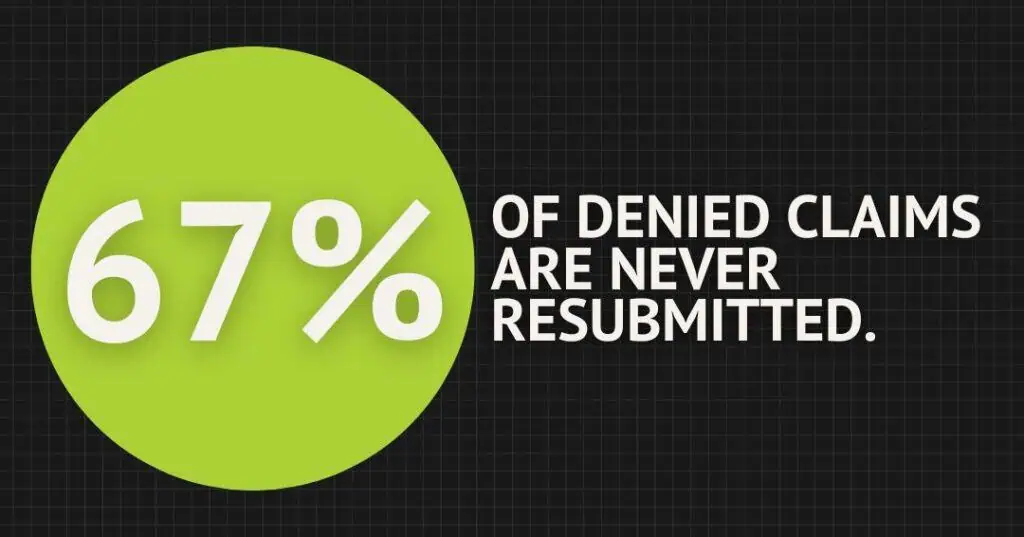
This scenario plays out thousands of times across dental practices every day. At least 15% of dental insurance claims are denied on average, and 67% of denied claims are never resubmitted. That represents permanent revenue loss.
Even more concerning: the average dental practice loses about 9% of its production revenue every year simply because it isn’t being collected. For a $1.2 million practice, that’s over $100,000 annually that you earned but never touched.
At Kinum Inc., we help dental practices recover revenue while protecting patient relationships. We’ve seen how small billing errors create massive revenue gaps. The good news? Most of these errors are preventable.
Key Takeaways
- Accurate patient information prevents the majority of claim rejections before they happen
- Outdated CDT codes cause denial rates to spike by 34% in practices that fail to update
- Missing claim submission deadlines results in automatic denials and lost revenue
- 67% of denied claims are never resubmitted, representing permanent revenue loss
- Clear patient communication about financial responsibilities reduces disputes and unpaid balances
Error #1: Inaccurate Patient Information
Nearly 75% of claim denials stem from preventable administrative errors that front-end verification can catch before they become problems. Yet many practices skip this step or rush through it.
Even the smallest error creates issues. Getting a patient’s birthdate wrong by one number can trigger a claim rejection. An outdated insurance policy number sends your claim into a black hole.
What goes wrong:
- Insurance information is collected once and never verified again
- Patients provide expired insurance cards
- Coverage changes between appointment scheduling and treatment
- Coordination of benefits errors when patients have multiple policies
- Demographic information contains typos or outdated details
How to fix it:
- Verify insurance eligibility at every appointment, even for established patients
- Train front desk staff to double-check all patient information before entering it
- Ask patients to confirm their demographic and insurance details are current
- Implement real-time eligibility verification tools when possible
A few extra minutes of verification prevents weeks of claim resubmission headaches and protects your revenue stream.
Error #2: Incorrect or Outdated CDT Codes
January 2026 brought 31 new codes and 14 revised codes. Keeping up with these updates isn’t optional; using outdated codes leads to automatic claim denials.
Common coding mistakes include:
- Using deleted or outdated codes that insurance companies no longer recognize
- Selecting codes that don’t accurately describe the procedure performed
- Failing to include necessary supporting documentation for complex procedures
- Bundling procedures incorrectly
- Missing required modifiers that explain special circumstances
How to fix it:
- Subscribe to CDT code update notifications from the American Dental Association
- Review your coding practices quarterly to ensure you’re using current codes
- Invest in ongoing training for your billing staff when codes change
- Use dental practice management software that automatically updates with new codes
Staying current with coding changes isn’t just about compliance—it’s about protecting your revenue from preventable denials.
Error #3: Missing Claim Submission Deadlines
Insurance companies set strict deadlines for claim submissions. Miss the deadline, and your claim gets automatically denied. No exceptions, no appeals.
Timely filing limits vary by insurance carrier. Some allow 30 days from the date of service. Others give you 90 days or a year. Your practice needs to track these deadlines for every carrier you work with.
Why practices miss deadlines:
- Claims sit in a pending queue waiting for additional information
- Staff shortages create backlogs in claim processing
- Manual processes slow down claim submission
- No system in place to track submission deadlines by carrier
- Claims require prior authorization that takes longer than expected
How to fix it:
- Create a tracking system that flags claims approaching their submission deadline
- Set internal deadlines that give you a buffer before the insurance company’s cutoff
- Submit claims within 48 hours of the appointment whenever possible
- Maintain a master list of timely filing limits for each insurance carrier
The sooner you submit, the sooner you get paid. Waiting until month-end to batch process claims puts thousands of dollars at risk.
Error #4: Failure to Follow Up on Rejected Claims
Your practice did the work. You deserve payment. But if you don’t follow up on rejections, you’re leaving money on the table.
Rejected claims need immediate attention. The longer they sit, the less likely they are to get resolved. Staff members move on to other tasks. Patients forget details about their treatment. Documentation becomes harder to locate.
Common follow-up failures:
- No designated person is responsible for tracking denied claims
- Rejection notices get buried in email or lost in paper files
- Staff members don’t understand the rejection reason and give up
- Resubmission process is too complicated or time-consuming
- Practice assumes the claim isn’t worth pursuing
How to fix it:
- Assign one team member to own the denied claims process
- Review every rejection and resubmit corrected claims within 5 business days
- Create a standard workflow that documents rejection reasons and correction steps
- Track your denial rate by insurance carrier and procedure type to identify patterns
A systematic approach to denied claims turns rejected revenue into collected payments. Don’t let 67% of your denials become permanent losses.
Error #5: Lack of Clear Communication with Patients About Financial Responsibility
Patient payment confusion creates unpaid balances that drag on for months. When patients don’t understand what they owe or why they owe it, they delay payment or dispute charges.
High-deductible health plans have shifted more financial responsibility to patients. Approximately 80% of dental practices experience financial concerns associated with billing challenges and insurance denials.
Patients need clear information before treatment begins. What will insurance cover? What’s their out-of-pocket cost? When is payment due?
Communication breakdowns that lead to unpaid balances:
- Patients receive bills weeks after treatment, with no context
- Explanation of benefits statements confuses patients about what they owe
- No discussion of payment options or financial arrangements before treatment
- Billing statements use insurance jargon that patients don’t understand
- Multiple bills arrive from different sources (practice, lab, specialist), creating confusion
How to fix it:
- Discuss costs before treatment and provide written estimates
- Send clear, itemized statements that explain each charge in plain language
- Offer multiple payment options, including payment plans and online portals
- Follow up on outstanding balances within 10 days with friendly reminders
Clear communication prevents payment disputes and builds trust. When patients understand their financial responsibility upfront, they’re far more likely to pay promptly.
The Real Cost of Billing Errors
Poor dental revenue cycle management can cost practices 10-20% of their revenue. That translates to thousands of dollars lost to preventable billing mistakes.
But the financial impact is only part of the story. Billing errors consume staff time that could be spent on patient care. They create frustration for your team and confusion for your patients. They damage the trust you’ve worked hard to build.
The practices that succeed focus on prevention. They invest in staff training, update their systems regularly, and prioritize accurate billing from the start.
Frequently Asked Questions
What are CDT codes and why do they matter?
CDT codes are standardized codes that describe dental procedures and services. Insurance companies use these codes to determine coverage and payment amounts. Using incorrect or outdated codes leads to claim denials.
How quickly should I submit claims after providing treatment?
Submit claims within 48 hours of the appointment whenever possible. The sooner you submit, the sooner you receive payment. Waiting also increases the risk of missing submission deadlines.
What should I do when an insurance claim gets denied?
Review the denial reason immediately. Correct any errors, gather missing documentation, and resubmit the claim within 5 business days. Track denial patterns to prevent future rejections.
How can I reduce patient payment confusion?
Discuss costs before treatment begins. Provide written estimates that clearly explain insurance coverage and out-of-pocket expenses. Send itemized statements in plain language and offer multiple payment options.
Where can I find current information about CDT code updates?
The American Dental Association publishes official CDT code updates. Subscribe to their notifications and update your practice management software regularly to stay current.
Protect Your Revenue and Your Reputation
Billing errors cost you money, strain patient relationships, and create unnecessary stress for your team. The practices that thrive focus on getting billing right the first time by verifying information carefully, staying current with coding changes, submitting claims promptly, following up on denials, and communicating clearly with patients.
But even with the best systems in place, some balances remain unpaid. Kinum Inc. specializes in helping dental practices collect unpaid balances without damaging the trust you’ve built with your patients. Our approach focuses on respectful communication and proven systems that recover revenue while protecting your reputation.
If you’re struggling with unpaid patient balances or want to improve your revenue cycle, contact Kinum today. We’ll help you recover the revenue you’ve earned while maintaining the patient relationships that make your practice successful.