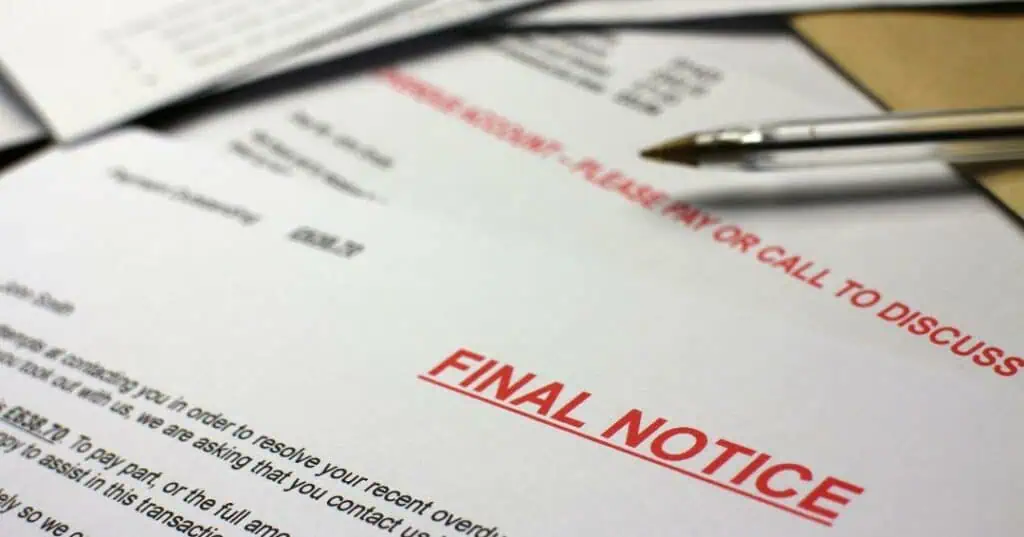



If your dental practice has accounts sitting 90 days past due with no payment plan and no response to your own follow-up, you’ve reached the point where an in-house team chasing them alone stops being effective. That’s the general rule, but it rarely feels that simple in the moment. Most practices don’t decide to outsource collections because of one bad month. They decide because a handful of quiet warning signs finally added up.
This isn’t about panicking over a few slow payers. It’s about recognizing when your front desk’s time, your patient relationships, and your revenue are all being pulled in the wrong direction by accounts that were never going to resolve on their own. Here are five signs it’s time to bring in a dental collection agency, and what that partnership can actually look like.
Key takeaways:
- Accounts more than 90 days past due, with no payment plan and no response, are past the point where continued in-house follow-up is likely to work.
- The American Dental Association considers any account more than 30 days past due to already need extra attention, well before it reaches the 90-day mark.
- Sending the same collection letter or making the same call three or more times with no result clearly signals that outsourcing will do more than another internal attempt.
- Protecting the patient relationship and recovering unpaid balances are not mutually exclusive goals when the right partner is involved.
- A specialized dental collections partner typically starts with low-cost, practice-branded outreach before any third-party collection begins.
1. Your Team is Spending More Time Chasing Balances Than Doing Their Actual Jobs
Most dental offices don’t lose a collections person all at once. It happens gradually: a scheduling coordinator picks up billing calls between patients, or the office manager spends Friday afternoons on follow-up instead of tasks that actually grow the practice. This is the brand’s own Staffing Gap, and it shows up in dental offices more than almost anywhere else.
The problem isn’t that your team lacks the skill to collect a balance. It’s that they don’t have the hours. Every hour spent redialing a patient who already ignored two calls is an hour not spent on same-day scheduling, insurance verification, or the next patient standing at the front desk.
2. Your AR Aging Report Has More in the 90+ Day Bucket Than It Used To
Pull your accounts receivable aging report and look specifically at the 90-plus day column. If it’s grown over the last two or three months, that’s not a coincidence. It’s a pattern.
The Overdue Accounts guidance from the American Dental Association puts the escalation point even earlier than most practices assume: accounts more than 30 days past due already need extra attention. By the time a balance sits at 90 days with no plan in place, it has already passed through several missed opportunities to resolve it internally. A growing 90-day bucket isn’t a normal cost of doing business. It’s a signal that your current process has hit its limit.
3. You’ve Sent the Same Follow-Up Letter or Called Three Times With No Result
Internal collection efforts have diminishing returns, and most practices reach that point faster than they expect. If you’ve sent a patient the same reminder letter twice, followed up with a phone call, and still gotten silence, a fourth attempt using the same method is unlikely to change the outcome.
This isn’t a reflection of your team’s effort. It’s simply how patient behavior works once you’ve ignored a balance point for too long. A different kind of outreach, structured differently and coming from a source built specifically for this, tends to get a different response than the same email template one more time.
4. You’re Worried That Pushing Harder Yourself Will Cost You the Patient Relationship
This is the concern that keeps most dental office managers from escalating collections in the first place, and it’s fair. Nobody wants to turn into the person hounding a patient they’ll see again at their next cleaning, or risk a bad review over a balance that was never meant to become a fight.
That worry is exactly why specialized dental collections exist. A properly built process isn’t meant to pressure a patient into paying. It’s to hand off the uncomfortable part of the conversation to a partner whose entire job is resolving the balance professionally, so your team never has to choose between getting paid and staying on good terms with the people you treat.
Consider a common pattern: a patient used their insurance maximum, agreed to a treatment plan for the remaining balance, and then simply went quiet once the bill came due. Nobody did anything wrong. The patient isn’t necessarily avoiding you out of malice, and your staff didn’t fail by not chasing harder. The account just needs a different kind of follow-up than an internal team is built to provide.
5. You’ve Never Had a Clear, Simple Process for What Happens Next
A lot of hesitation around outsourcing comes from not knowing what it actually involves, or what working with a dental collection agency actually looks like day to day. Kinum’s two-phase collections process for dental practices starts with the Connect Phase: low-cost, courtesy outreach that Kinum sends, referring the patient back to your office to make payment. Most accounts resolve right there.
If an account doesn’t resolve in that first phase, it moves to the Collect Phase, which is contingency-based, meaning there’s no upfront cost to your practice. You only pay if the balance is actually recovered. Neither phase requires your team to manage an outside vendor relationship or chase updates. If you’d like to see what this looks like in more detail before deciding anything, this is a good next step to review. For a deeper look at strategies to improve your practice’s own collections process or improving your practice’s accounts receivable process before or alongside outsourcing, both are worth a read.
FAQ
How do I know if my dental practice needs a dental collection agency?
Look at your accounts receivable aging report. If you have balances more than 90 days past due, no payment plan in place, and no response after two or more follow-up attempts, that’s a clear sign your internal process has reached its limit. A dental collection agency built specifically for dental practices can take over from there without disrupting your patient relationships.
What is a healthy accounts receivable collection rate for a dental practice?
The American Dental Association Health Policy Institute considers 96 to 99 percent of adjusted production a healthy collection rate for a general dental practice. If your practice is consistently falling below that range, particularly in the 90-plus day aging bucket, it may be worth evaluating whether outside collections support makes sense.
Will using a collection agency hurt my relationship with patients?
Not if the process is built correctly. A specialized dental collections partner typically starts with low-cost, practice-branded outreach rather than aggressive third-party contact, which is designed to preserve the relationship rather than damage it. The goal is resolution, not confrontation, so patients can often continue coming back to your practice afterward.
What’s the difference between a dental billing company and a collection agency?
A billing company manages claims, coding, and posting, essentially the front end of getting paid by insurance. A collection agency steps in after a balance has gone unpaid past the point where internal follow-up works. The two solve different problems, and some practices benefit from both.
How much does it cost to place an account with Kinum?
The initial outreach phase is low-cost and flat-fee. If an account requires professional collection beyond that, it moves to a contingency-based structure, meaning there’s no upfront cost and no fee unless the balance is actually recovered.
Where To Go From Here
Recognizing these five signs early is what keeps a manageable backlog from turning into revenue you’ve effectively already written off. None of them mean your team has failed. They mean your practice has grown to the point where a dental collection agency becomes worth considering.
If any of this sounds familiar, a good next step is a Free Accounts Receivable Consultation: a 30-minute, no-obligation conversation to review your specific situation. You can also call Kinum directly at 888-471-0280, or explore the full dental collections process before deciding anything.